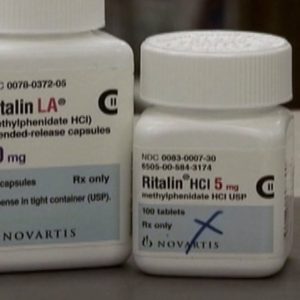
The Accessibility and Control of Methylphenidate in Europe
Methylphenidate, {commonly known as Ritalin or Concerta|referred to as Ritalin or Concerta, is a central nervous system stimulant drug. While its primary application is in the treatment of Attention Deficit Hyperactivity Disorder (ADHD), it also has applications in treating narcolepsy and certain other medical issues. Across Europe, the accessibility of methylphenidate fluctuates significantly from country to country. Some countries have stricter regulations surrounding its prescription and distribution, while others are more permissive.
- Factors influencing these differences include cultural attitudes towards ADHD, healthcare systems' structure, and individual countries' pharmaceutical policies.
- In some European nations, methylphenidate is readily accessible upon medical recommendation, while in others, it may require more comprehensive justification from healthcare professionals.
- Furthermore, there are often differences in the specific formulations of methylphenidate that are legally permissible in different countries.
Ritalin for Europe: A Guide for Patients
Ritalin is a commonly prescribed medication for Attention Deficit Hyperactivity Disorder (ADHD). Despite Ritalin is widely used, its legality varies across Europe. This guide aims to provide crucial information about Ritalin administration in Europe.
To begin, it's necessary to consult with a healthcare professional to you suspect you may have ADHD. They can properly diagnose your condition and suggest the most appropriate treatment plan.
Secondly, Ritalin rules concerning Ritalin differ substantially from country to country. Some countries may have stricter requirements for obtaining a prescription, while others might have more relaxed policies.
- Therefore, it's important to research the specific regulations in your country of residence.
Finally, remember that Ritalin is a regulated drug. It should always be taken under the guidance of a healthcare professional. Misuse can lead to grave health effects.
Navigating the Legality of Methylphenidate in Europe
Methylphenidate, a prescription drug, is a widely available medication for treating neurodevelopmental conditions. However, its legal status and availability vary significantly across European countries. While it is authorized in many member states, there are significant differences in dosage limits, prescribing practices, and over-the-counter access. It's crucial to meticulously examine the specific regulations of your destination country before administering methylphenidate.
- Legal determinants vary based on| national legislation
- Social perceptions of stimulants
- Manufacturing and supply chain regulations
Administration Practices for Ritalin in European Countries
Prescribing methods for Ritalin, a common therapy for Attention-Deficit/Hyperactivity Disorder (ADHD), differ significantly across European countries. Some nations utilize strict guidelines and regulations, resulting to reduced Ritalin usage. Conversely, other countries exhibit more flexible standards permitting wider access to the medication. This variability in prescribing approaches indicates varying cultural perceptions of ADHD and preferences towards medication-based interventions.
The Rise of Online Ritalin Sales in Europe
In recent years/months/decades, the demand for/need of/reliance on prescription medication/drugs/stimulants like Ritalin has increased sharply/grown considerably/skyrocketed in Europe. This trend/phenomenon/situation is partly fueled by/being driven by/largely attributed to the growing popularity of/accessibility of/ease with which online pharmacies can disperse/distribute/deliver these medications/prescription drugs/substances without the traditional restrictions/regulations/controls. While this offers convenience/provides accessibility/brings benefits, it also raises concerns about/presents challenges for/highlights issues related to the regulation/monitoring/safety of online Ritalin sales.
- Several/Many/Numerous countries in Europe are currently working on/actively pursuing/considering stricter regulations/laws/policies to combat/address/mitigate this trend/issue/problem.
- Experts/Medical professionals/Authorities warn of/highlight the dangers of/express concern over the potential for/risks associated with/possibility of online Ritalin sales falling into the wrong hands/being misused/leading to abuse.
Moral Considerations of Methylphenidate Use in Europe
The deployment of methylphenidate in Europe presents a complex tapestry of ethical issues. While it's proven to be effective in treating attention-deficit/hyperactivity disorder (ADHD), its extended use raises debates regarding potential benefits and risks.
Furthermore, the possibility for misuse of methylphenidate, particularly among persons without ADHD, underscores the necessity of rigorous ethical regulations.
There's a continuous need for honest discussion between medical professionals, policymakers, and the overall population to provide responsible and ethical practices surrounding methylphenidate use in Europe.
Comparing ADHD Treatments: Ritalin vs. Alternatives in Europe
The management of Attention Deficit Hyperactivity Disorder (ADHD) in Europe presents a diverse landscape. While prescription like Ritalin remain prevalent, a growing number of individuals and medical professionals are considering alternative treatments. This shift is driven by motivations such as potential adverse reactions associated with stimulants, the desire for a more holistic approach to well-being, and increasing awareness of non-pharmacological interventions. Some popular alternatives include therapy, adjustments, and supplements. The effectiveness of these alternative approaches are actively studied, with encouraging results emerging in certain cases.
- Moreover, the reach to these alternative treatments can differ depending on country within Europe.
- Ultimately, the choice of ADHD treatment should be a collaborative one between the patient and their healthcare provider.
Influence of Ritalin on European Education Policies
The application of Ritalin in educational settings across Europe has become a subject of intense debate. While some argue that it can enhance the concentration and learning abilities of students with ADHD, others contend that its wide-spread use raises serious ethical concerns about individual rights and the potential for overuse. European education policies are currently grappling with this complex issue, seeking to find a balance between students' well-being and academic performance while promoting responsible use.
Methylphenidate's Impact on European Youth
The consumption of methylphenidate among European adolescents has escalated significantly in recent decades. This trend raises worries about the potential consequences of methylphenidate on their physical and social well-being. Some studies suggest that methylphenidate may have both beneficial effects, such as boosted focus, but also detrimental consequences, including sleepissues, nervousness, and reliance.
- Moreover, the ease of access to methylphenidate has become a critical concern in Europe. Illegal medications and digital pharmacies pose a grave risk to the safety of European youth.
- Consequently, it is crucial to enhance understanding about the potential hazards associated with methylphenidate throughout European youth, parents, and healthcare professionals.
The Economic Burden of ADHD Medication in Europe
The rising cost of ADHD medication presents a significant challenge across European nations. Individuals with ADHD often face high out-of-pocket expenses for drugs, placing a strain on their economic resources. Moreover, the effect of untreated ADHD can be substantial, leading to decreased productivity, increased absenteeism, and higher healthcare costs. Governments and healthcare systems are grappling with the dilemma of providing affordable access to medication while managing the overall financial impact of ADHD. Many European countries have implemented initiatives to mitigate this burden, such as negotiating lower drug prices or expanding insurance coverage for ADHD treatment. However, further efforts are needed to ensure that individuals with ADHD have access to the care they need without facing significant financial challenges.
Ritalin Prescription Rates Across European Nations
Prescribing trends for Ritalin, a medication primarily used to treat Attention Deficit Hyperactivity Disorder (ADHD), display significant disparities across European nations. Some countries, such as the United Kingdom, tend to prescribe Ritalin at greater rates compared to others, like France. This discrepancy can be attributed to a blend of factors, including perceptions towards ADHD, insurance coverage, and diverse assessment methods.
The supply of Ritalin can also be influenced by policies implemented at the national level. Some countries may have stricter regulations on the prescription and dispensing of ADHD medications, while others may have a more lenient approach. These differences in access to Ritalin can have profound implications for individuals with ADHD and their overall health.
Recognizing the Risks and Benefits of Ritalin in Europe
Ritalin, a medication primarily prescribed to treat ADHD, presents both potential positive effects and potential drawbacks for patients in Europe. While it can be effective in improving focus and reducing restlessness, concerns remain regarding its long-term impact on the developing brain, particularly in children. Research are ongoing to better elucidate these complexities and ensure that Ritalin is prescribed responsibly when necessary.
- Potential benefits of Ritalin include improved focus, reduced hyperactivity, and enhanced academic performance.Potential risks of Ritalin can include sleep disturbances, appetite suppression, and potential for dependence.
- It is essential to consult with a healthcare professional to determine the appropriate use of Ritalin and discuss potential side effects.Regular monitoring by a medical practitioner is crucial to assess the effectiveness and safety of Ritalin treatment.
Paternal Attitudes Towards Ritalin for Children in Europe
European parents hold a diverse set of perceptions towards the use of Ritalin for kids with ADHD symptoms. While some guardians believe that Ritalin can be a effective tool in controlling ADHD symptoms and boosting children's academic performance, others have reservations about the potential side effects of drug therapy. This discussion is often fueled by a lack of understanding about ADHD and Ritalin, as well as societal beliefs about holistic approaches.
Methylphenidate Abuse: Exploring its Impact Across Europe
The utilization of methylphenidate, commonly known as Ritalin, for attention-deficit/hyperactivity disorder (ADHD) is widespread/has grown significantly/remains prevalent across European nations. While this medication can be highly effective in managing ADHD symptoms, concerns regarding its potential for abuse/dependence/misuse are on the rise. Studies indicate a growing/concerning/alarming prevalence of Ritalin addiction in Europe, with reports suggesting a higher rate among adolescents/young adults/teenagers. This issue poses significant challenges to public health systems and individual well-being/social cohesion/family structures.
- Fortunately, various treatment options are available for individuals struggling with Ritalin addiction in Europe. These include/Thankfully, Europe offers a range of treatment options for those battling Ritalin addiction. Among these:
- Therapy/Counselling/Behavioral interventions can help address the underlying causes of addiction/manage cravings and triggers/develop healthy coping mechanisms.
- Medications/Pharmacological treatments/Certain medications may be prescribed to alleviate withdrawal symptoms/reduce cravings/stabilize mood swings
- Support groups/Peer support networks/ Joining support groups can provide a sense of community/understanding/shared experience and encouragement.
{Addressing Ritalin addiction requires a multi-faceted approach that involves a combination of these treatment options. Raising public awareness about the risks associated with Ritalin misuse is crucial, as well as promoting responsible prescribing practices among healthcare professionals.
European Perspectives on ADHD Diagnosis and Methylphenidate
There present distinct nuances in how continental nations approach the assessment of Attention-Deficit/Hyperactivity Disorder (ADHD) and the prescribing of methylphenidate, a common stimulant medication. Societal factors play a significant role on attitudes towards ADHD, leading variations in diagnostic criteria and treatment methods. For instance, some European countries tend to adopt a more reserved stance on ADHD diagnosis, emphasizing the significance more info of comprehensive evaluations. In contrast, other regions may view ADHD with higher acceptance and promote more liberal prescribing practices for methylphenidate. This spectrum in perspectives reflects the complex interplay between cultural norms, medical practices, and individual beliefs about ADHD.
Public perception of Ritalin use in European society
The perception/view/attitude of Ritalin use in European societies is a complex/nuanced/multifaceted issue, shaped by a variety of factors/influences/elements. While some individuals/people/citizens view Ritalin as a necessary/vital/essential tool for managing/treating/controlling ADHD, others express/hold/demonstrate concerns about its potential/possible/likely side effects/consequences/impact and the risk of overprescription/misuse/abuse. There is also a growing debate/discussion/conversation surrounding the appropriateness/acceptability/legitimacy of using Ritalin for students/children/young people in educational settings. Ultimately, the public/general/overall perception/view/attitude towards Ritalin remains divided/complex/evolving across Europe.
Ritalin Supply in Europe: The Crucial Role of Pharmacies
Prescriptions for attention-deficit/hyperactivity disorder (ADHD) medication like Ritalin are growing across Europe. This, pharmacies play a pivotal role in dispensing these medications to patients, ensuring safe and authorized access. However, the supervision of Ritalin distribution varies greatly across European countries, leading to variations in practice and potential concerns about misuse or unauthorized use.
Moreover, pharmacists often serve as a important source of information for patients regarding the proper use and potential side effects of Ritalin. They educate patients on the necessity of adherence to their prescribed medication regimen and can observe any adverse reactions. This engaged approach by pharmacists aids to optimize patient outcomes and minimize potential risks associated with Ritalin use.
Ritalin: A Controversial Treatment in the EU
Methylphenidate remains a widely discussed treatment for ADHD mainly within the European Union. While a large number of professionals point to its effectiveness in managing symptoms, there are growing concerns regarding its long-term effects and potential risks.
Critics argue that excessive use of methylphenidate can lead to dependence and other problems. Additionally, there are doubts surrounding the extended impact on brain growth, particularly in youngsters.
The EU stands at a crossroads regarding methylphenidate, seeking to weigh the advantages with its possible issues. This challenging situation has sparked ongoing debate within healthcare professionals, policymakers, and the general public.
Concerta's Effects on Brain Development in European Children
The effects of Ritalin towards brain development in European children is a subject of ongoing discussion. While some studies suggest that Ritalin can be beneficial for treating ADHD symptoms, other research raises questions about its chronic influence on the developing brain.
Scientists are continuously investigating the potential positive outcomes and risks of Ritalin use in children, particularly in Europe where regulations surrounding its prescription vary.
It is crucial for parents and healthcare professionals to be well-informed about the potential implications of Ritalin use on adolescent brains, and to make informed decisions based on individual circumstances.
Online Ritalin Transactions: Regulatory Breaches and Implications for European Nations
The easy availability of prescription pharmaceuticals like Ritalin online presents a substantial problem for Europe. Numerous countries in the region have enacted strict regulations regarding dispensing of controlled substances, yet unregulated vendors continue to take advantage of these frameworks. This highlights serious questions regarding patient well-being and the potential for abuse of Ritalin.
Moreover, the shortage of robust oversight across borders exacerbates the problem. Governments are facing difficulties to effectively tackle this increasing concern. In an effort to reduce the dangers associated with online Ritalin purchases, a international plan is crucial. This may entail enhanced collaboration between countries, stricter regulation of online pharmacies, and educational initiatives to raise awareness the public about the dangers associated with buying Ritalin unsupervised.
Exploring the Future of Methylphenidate Use across Europe
The future of methylphenidate use in Europe is a topic of growing interest. With rising rates of ADHD diagnosis and an evolving understanding of the effectiveness of medication, the landscape for treatment appears to be changing rapidly. Researchers are actively exploring new applications for methylphenidate, concurrently addressing concerns concerning potential adverse reactions. Furthermore, the conversation surrounding access to and affordability of treatment remains an key issue.
- Factors such as regulatory changes, advancements in science, and societal attitudes toward ADHD will certainly shape the future trajectory of methylphenidate use.
- Open discussion between healthcare professionals, policymakers, and individuals will be crucial in navigating these complex issues.
As we move forward, it is important to endeavor for a balanced and informed approach that prioritizes both the well-being of individuals and the sustainable use of this valuable medication.